Road Accident Analysis - Pattern Discovery with Machine Learning
This project applies unsupervised learning techniques to discover hidden patterns in road accident data, with the goal of improving public safety, resource allocation, and transportation strategy.
Workflow Overview
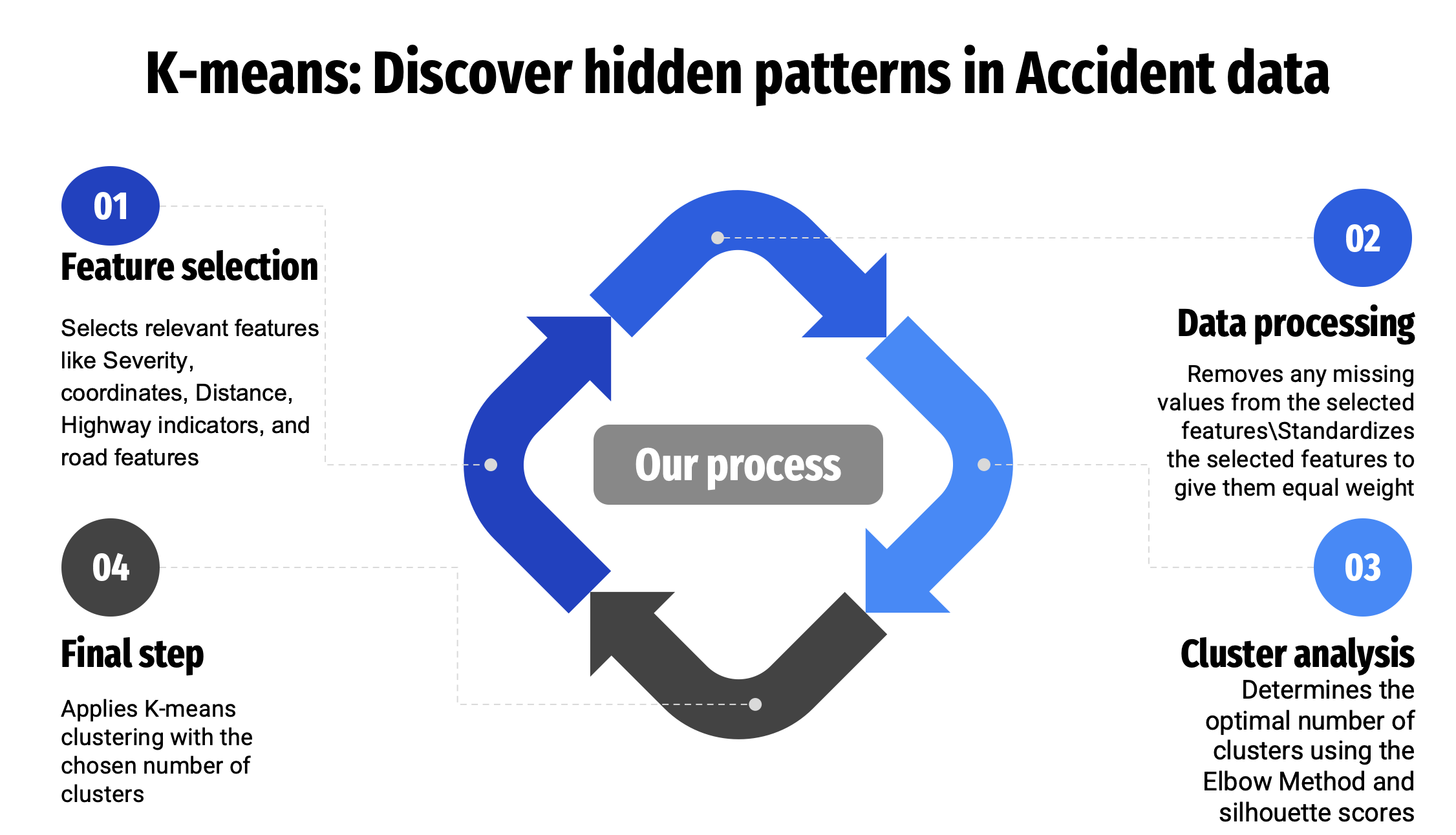
- Data Cleaning and Feature Engineering (missing values, outlier handling)
- Feature Standardization (Min-Max Scaling)
- Dimensionality Reduction with Principal Component Analysis (PCA)
- K-Means Clustering to uncover underlying patterns
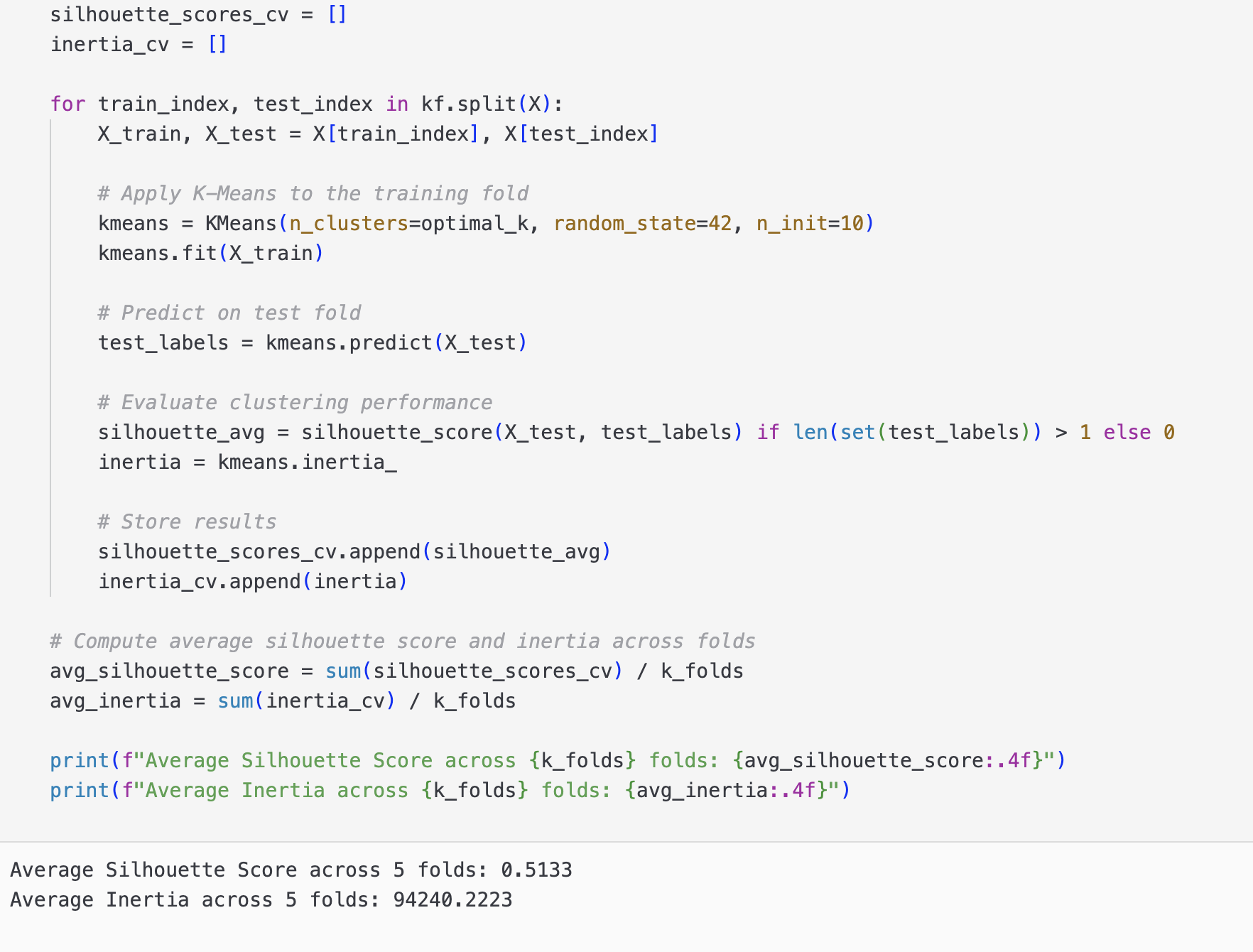
- Cluster Validation using: Elbow Method & Silhouette Score
Key Business Insights from Clusters
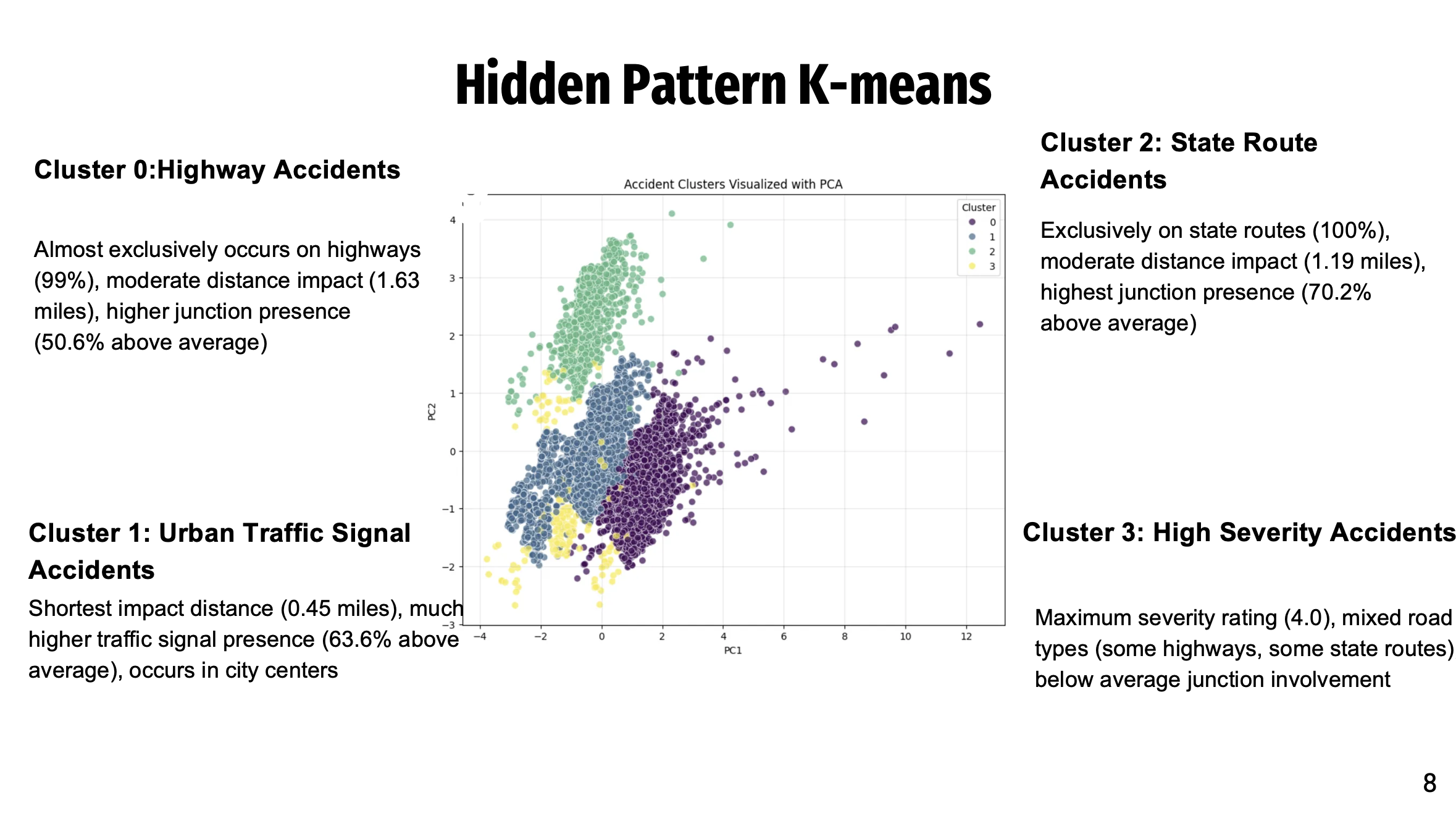
- Cluster 1: High-speed accidents, major highways, severe impact ➔ Suggest stricter speed monitoring policies.
- Cluster 2: Urban low-speed accidents, intersections ➔ Suggest optimizing traffic lights and signage improvements.
- Cluster 3: Rural medium-speed accidents ➔ Suggest improving road lighting and emergency response accessibility.
Machine Learning Techniques Used
- Unsupervised Clustering (K-Means)
- Dimensionality Reduction (PCA)
- Model Evaluation Metrics (Silhouette Score, DBI, Elbow Curve)
Business Strategy Integration
- Public Safety Policy Improvements
- Urban Transportation Optimization
- Strategic Deployment of Emergency Services
- Insurance Risk Segmentation Modeling
Reflection
This project strengthened my ability to combine machine learning models with real-world business decision frameworks. It highlights my capability to not only apply technical skills but also derive strategic value from complex datasets.